
Why Holographic Foil Is Important in Packaging Industry?
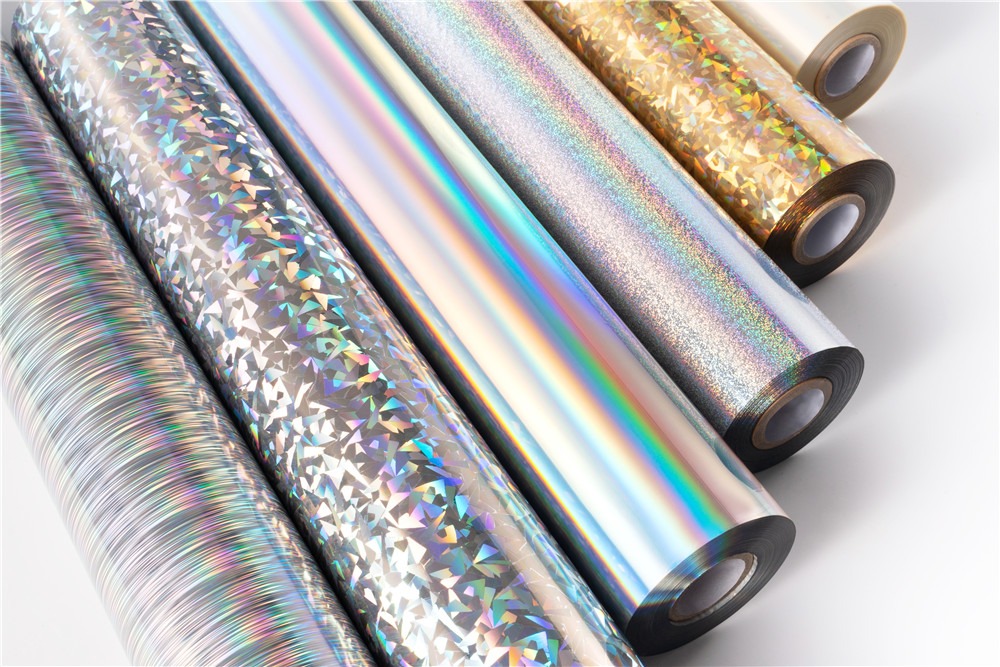
In today’s competitive market, packaging is more than protection—it is a key driver of brand value and product differentiation. Holographic foil has become a popular solution for brands seeking stronger visual impact and enhanced security. From premium cosmetics to pharmaceutical labels, holographic foil packaging helps businesses stand out while protecting products from counterfeiting.
What Is Holographic Foil?
Holographic foil is a specialized decorative material that uses micro-embossed patterns to create dynamic, light-diffracting visual effects. When applied through printing or stamping processes, it produces a rainbow-like appearance that changes depending on the viewing angle.
Compared with standard foil, holographic foil offers both aesthetic and functional advantages, making it widely used in holographic foil packaging, labels, and security applications.
Holographic foil vs standard foil: What’s the Difference?
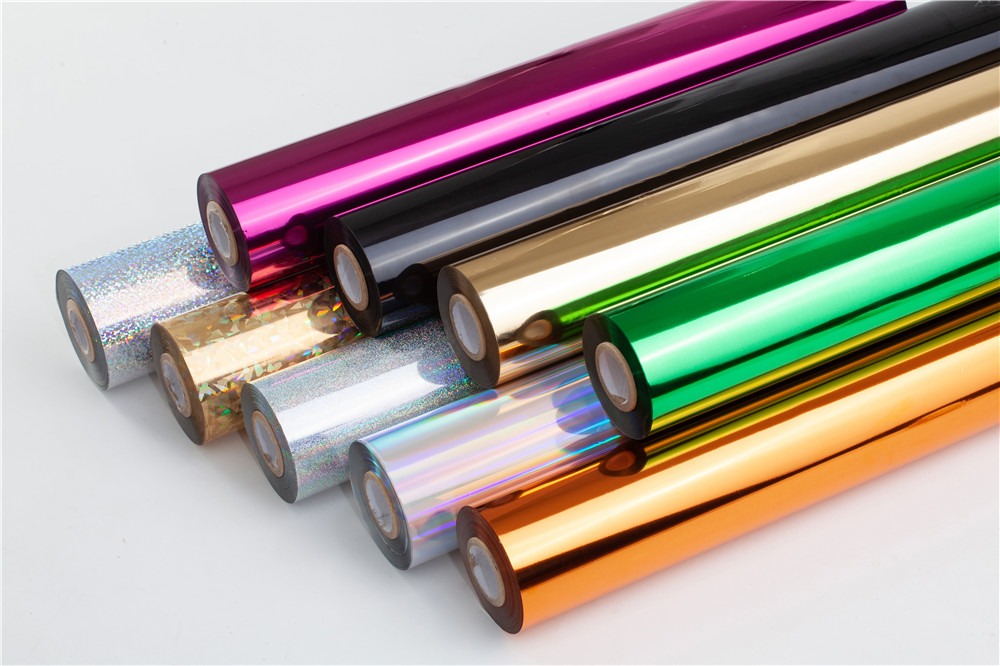
The main difference between holographic foil and standard foil lies in both appearance and functionality.
Standard foil typically delivers a metallic, single-tone finish such as gold or silver. While it enhances packaging visually, it lacks dynamic effects and advanced security features.
In contrast, holographic foil provides:
- Multi-dimensional visual effects
- Advanced anti-counterfeiting capabilities
- Customizable patterns and branding elements
For buyers, the choice depends on application needs. If the goal is premium branding and product authentication, holographic foil is a more strategic option than traditional foil.
Key Benefits of Holographic Foil in Packaging
Here are three key reasons why using custom holographic labels in packaging is important:
Enhance Visual Appeal and Shelf Impact
The main difference between holographic foil and standard foil lies in both appearance and functionality.
Standard foil typically delivers a metallic, single-tone finish such as gold or silver. While it enhances packaging visually, it lacks dynamic effects and advanced security features.
In contrast, holographic foil provides:
- Multi-dimensional visual effects
- Advanced anti-counterfeiting capabilities
- Customizable patterns and branding elements
For B2B buyers, the choice depends on application needs. If the goal is premium branding and product authentication, holographic foil is a more strategic option than traditional foil.
Anti-counterfeiting and Brand Protection
One of the most important advantages of holographic foil is its role in anti-counterfeiting packaging. The complex micro-structures used in holographic designs are difficult to replicate, making it an effective security feature.
Industries such as pharmaceuticals, electronics, and luxury goods rely on security holographic foil to:
- Prevent product duplication
- Protect brand reputation
- Ensure product authenticity
Improve Perceived Product Value
Packaging directly influences how consumers perceive product quality. Holographic foil adds a premium look and feel, which helps position products as high-end or innovative.
This is particularly valuable for brands aiming to justify higher pricing or enter premium market segments.
Common Applications of Holographic Foil
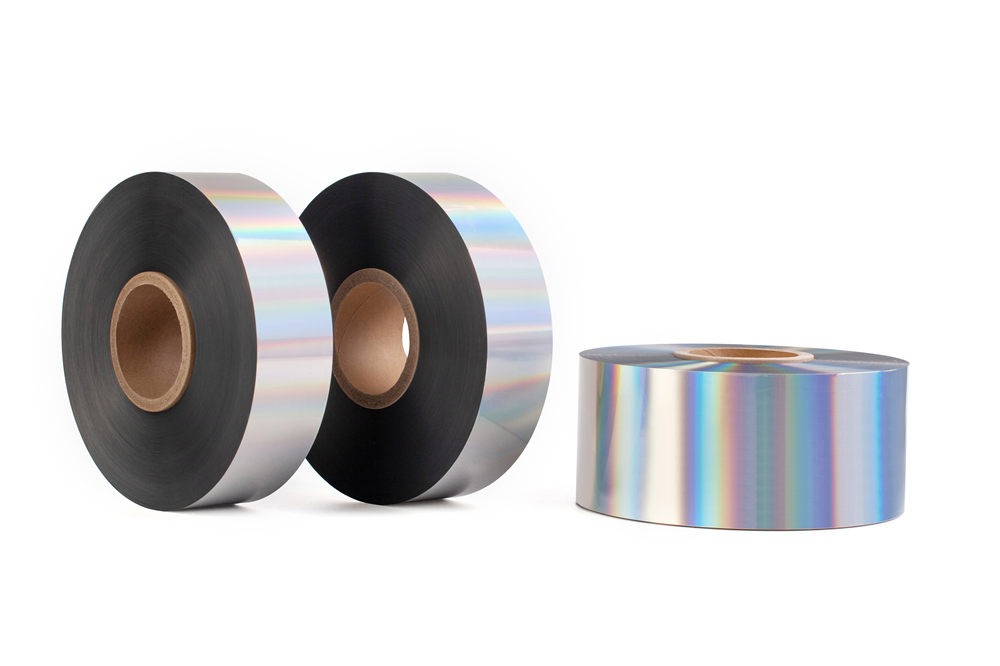
Holographic foil is widely used across multiple industries due to its versatility.
- Cosmetics packaging: Enhances luxury appeal and brand differentiation
- Pharmaceutical packaging: Adds security features and authentication elements
- Food & beverage labels: Improves shelf visibility and branding
- Security labels & seals: Prevents tampering and counterfeiting
These applications demonstrate how holographic foil labels combine visual design with functional performance.
Types of Holographic Foil
Different types of holographic foil are available depending on printing methods and application requirements.
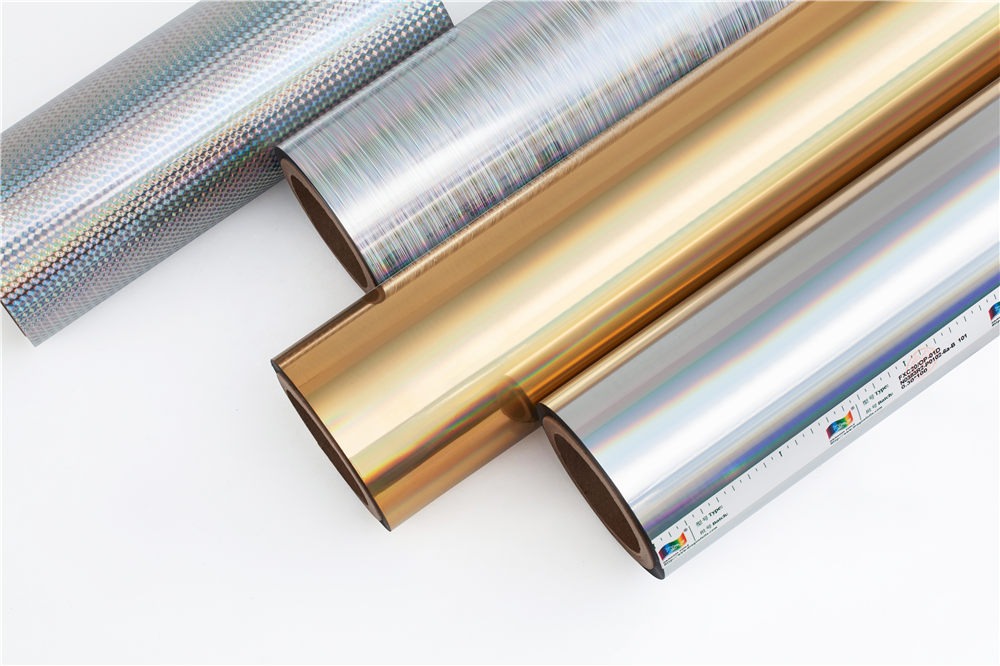
- Hot stamping holographic foil: Applied using heat and pressure; ideal for high-end packaging
- Cold foil holographic: Suitable for high-speed printing processes such as flexo and offset
- Transparent holographic foil: Allows underlying graphics to remain visible while adding effects
- Customized patterns: Includes logos, security marks, and unique holographic designs
Choosing the right type depends on production capabilities and desired visual or security outcomes.
How to Choose the Right Holographic Foil Supplier?

Selecting a reliable supplier is critical for achieving consistent quality and performance.
Key factors to consider include:
- Material compatibility: Ensure the foil works with your substrates (paper, film, plastic)
- Printing method: Confirm compatibility with flexographic, offset, or hot stamping processes
- MOQ and lead time: Evaluate production flexibility for your business scale
- Customization capability: Look for suppliers that offer tailored holographic designs
For buyers, working with an experienced supplier ensures better product performance, reduced defects, and stable supply chains.
Is Holographic Foil Cost-Effective for Packaging?
Although holographic foil is typically more expensive than standard foil, it often delivers a higher return on investment.
From a cost perspective:
- Initial material costs are higher than traditional foil
- Processing may require specialized equipment
However, the ROI comes from:
- Increased product visibility and sales
- Enhanced brand positioning
- Reduced losses from counterfeiting
For many industries, especially those with high-value products, holographic foil packaging is a cost-effective long-term investment.
FAQs About Holographic Foil in Packaging
Q1: How does holographic foil work?
A: Holographic foil works by using micro-embossed patterns on the foil surface that diffract light into multiple colors. When applied through hot stamping or cold foil processes, these patterns create dynamic, shifting visual effects that change with the viewing angle. This is what gives holographic foil its distinctive 3D and rainbow-like appearance.
Q2: Why is foil used in packaging?
A: Foil is widely used in packaging because it enhances both appearance and functionality. It provides a premium metallic finish, improves shelf appeal, and can add protective features such as moisture resistance and anti-counterfeiting. In particular, holographic foil packaging helps brands stand out while protecting products from duplication.
Q3: What is hologram packaging?
A: Hologram packaging refers to packaging that incorporates holographic materials or effects, such as holographic foil or films. It is commonly used for branding, security labeling, and product authentication, especially in industries like cosmetics, pharmaceuticals, and electronics.
Q4: Why is foil-lined board excellent for packaging?
A: Foil-lined board combines the strength of paperboard with the barrier properties of foil. It helps protect products from light, moisture, and contamination while also enhancing visual appeal. This makes it ideal for high-value or sensitive products such as food, pharmaceuticals, and luxury goods.
Q5: What are the 7 types of packaging materials?
A: The most common packaging materials include:
- Paper and paperboard
- Plastic
- Glass
- Metal
- Flexible packaging (films & laminates)
- Foil-based materials (including holographic foil)
- Composite materials
Each material serves different purposes depending on protection, cost, and branding requirements.
Q6: What are the advantages of foil in packaging?
A: Foil offers several key advantages:
- Strong visual enhancement (metallic or holographic effects)
- Excellent barrier properties against light and moisture
- Anti-counterfeiting capabilities (especially holographic foil)
- Improved product shelf appeal and perceived value
These benefits make foil a popular choice for premium packaging solutions.
Q7: What are the disadvantages of hot foiling?
A: Hot foiling has some limitations:
- Requires heat and specialized equipment
- Higher setup costs compared to standard printing
- Slower production speed than cold foil processes
However, it still delivers superior quality and durability, making it ideal for premium packaging applications.
Q8: Is holographic foil suitable for all packaging materials?
A: Holographic foil can be applied to paper, cardboard, and certain plastics, but compatibility depends on the printing process and adhesive properties.
Q9: What is the difference between hot stamping and cold foil holographic?
A: Hot stamping uses heat and pressure, while cold foil is applied through printing processes like flexo, making it faster for large-scale production.
Q10: Can holographic foil be customized with logos?
A: Yes, customized holographic patterns and brand-specific designs are widely available for security and branding purposes.
Q11: Is holographic foil environmentally friendly?
A: Some suppliers offer recyclable or eco-friendly options, but this depends on the material composition and application method.