
Foil Stamping in Premium Packaging - Hot, Cold & Holographic Foil Solutions
What Is Foil Stamping in Packaging?
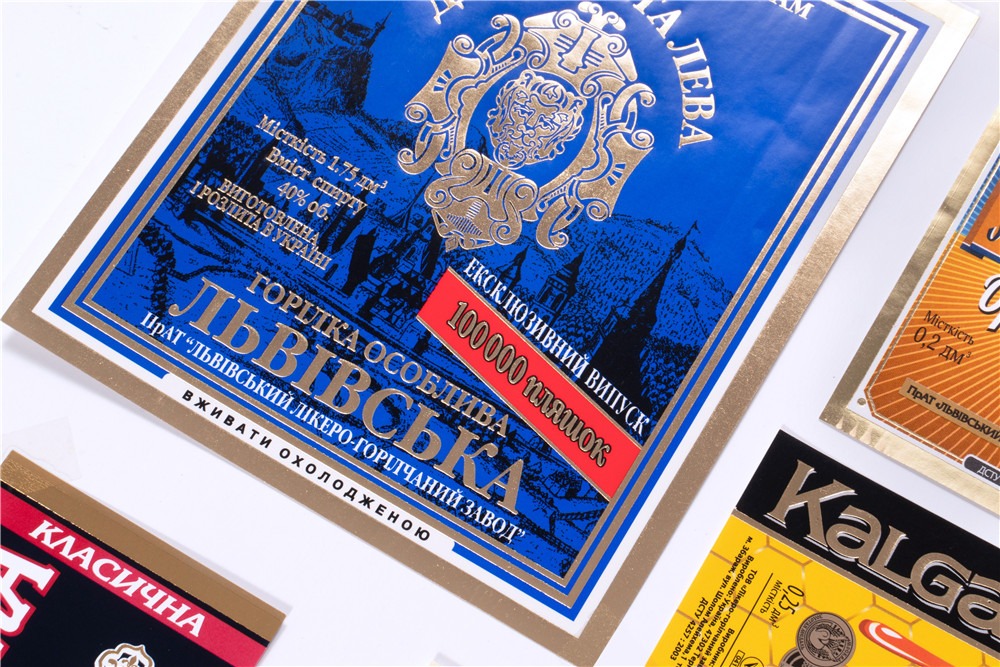
Foil stamping in packaging is a decorative printing process that applies metallic, pigmented, or holographic foil onto packaging surfaces using heat, pressure, or adhesive technologies. Today, foil stamping packaging is widely used in premium packaging finishes for cosmetics, wine boxes, electronics, perfume cartons, and luxury gift packaging.
As consumer expectations continue to rise, brands are investing more in visual differentiation. This is one reason the global cold foil market continues to expand across the premium packaging market. Foil finishes help products stand out on crowded retail shelves while improving perceived value and brand recognition.
For luxury brands, packaging is no longer only about protection. It has become part of the product experience. Metallic foil details, embossed logos, and holographic effects create a stronger first impression and communicate premium quality before customers even open the box.
In cosmetics packaging, gold and silver foil are commonly used for logo decoration and product names. In wine packaging, foil stamping enhances elegance and gift appeal. Luxury rigid boxes and limited-edition gift packaging also frequently use foil techniques to create exclusivity and shelf impact.
Advantages of Hot Stamping in Packaging
The advantages of hot stamping in packaging go far beyond aesthetics. Hot foil stamping packaging helps brands improve durability, enhance visual identity, and create more memorable packaging experiences.
One of the biggest advantages is the metallic premium appearance that standard printing cannot easily achieve. Foil creates reflective surfaces that attract consumer attention under retail lighting conditions.
Another important benefit is tactile finish. Combined with embossing or debossing, foil stamping creates a textured surface that enhances the perceived value of luxury packaging solutions.
Foil stamping can also support anti-counterfeit packaging strategies. Holographic and customized foil patterns make replication more difficult, especially for cosmetics, alcohol packaging, and premium retail products.
|
Benefit |
Packaging Application |
|
Metallic finish |
Cosmetics packaging |
|
Premium perception |
Wine packaging |
|
Scratch resistance |
Gift boxes |
|
Brand differentiation |
Retail packaging |
Hot stamping is also valued for its long-term durability. Compared with some printed metallic inks, foil layers generally provide better scratch resistance and maintain a cleaner appearance during transportation and retail display.
Hot Foil vs Cold Foil Packaging: What’s the Difference?
When comparing hot foil vs cold foil technologies, packaging manufacturers usually evaluate production speed, material compatibility, finish quality, and budget requirements.
Hot foil stamping uses heat and pressure to transfer foil onto packaging materials. It delivers stronger metallic effects and works well for luxury rigid boxes, textured paper, and premium paperboard packaging.
Cold foil packaging uses UV-curable adhesive and printing units to transfer foil without heat. This method is commonly preferred for high-speed production environments and large-volume packaging runs.
|
Feature |
Hot Foil |
Cold Foil |
|
Finish quality |
Higher metallic effect |
Faster production |
|
Production speed |
Medium |
High |
|
Material compatibility |
Wider |
Limited |
|
Setup cost |
Higher |
Lower for long runs |
For brands focused on luxury appearance, hot foil stamping packaging is often the preferred option because of its richer reflective finish. However, cold foil packaging may provide better efficiency for flexible packaging and large-scale retail packaging production.
Different foil application methods also influence packaging performance. Some paperboards respond better to heat transfer, while laminated surfaces may require specific adhesives or foil formulations.
Holographic Foil Packaging Design for Luxury Brands
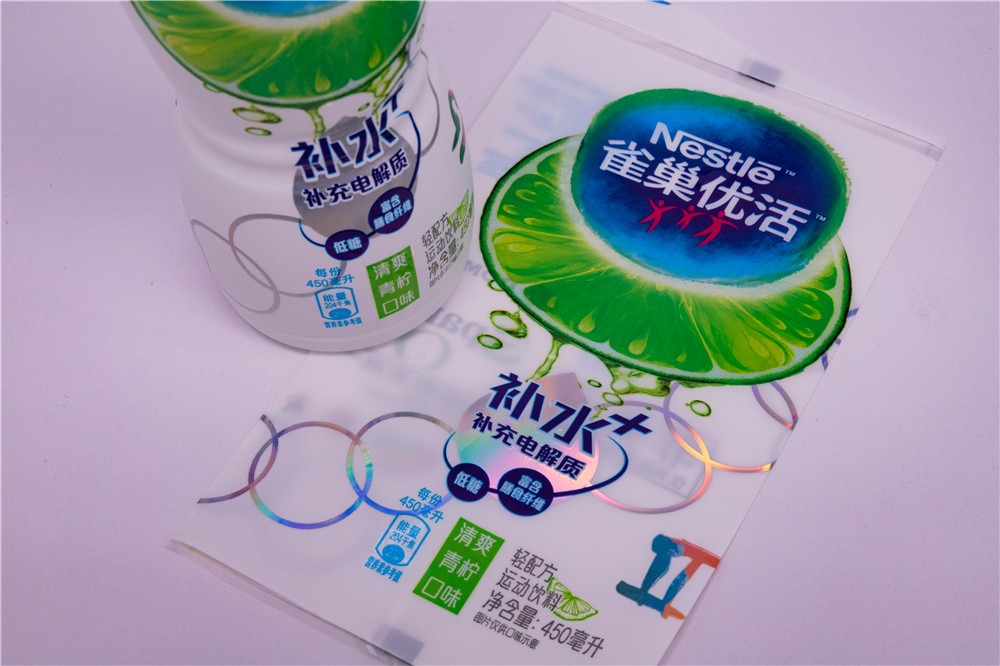
Holographic foil packaging design has become increasingly popular in luxury cosmetic packaging, wine gift boxes, and limited-edition retail packaging.
Unlike traditional metallic foil, holographic foil packaging creates dynamic visual effects through reflective micro-patterns. These patterns produce rainbow effect visuals and multi-angle visual impact that immediately capture consumer attention.
For cosmetic brands, holographic finishes help products appear more modern, fashionable, and premium. In wine packaging, holographic details can create collectible or seasonal packaging experiences.
Another major advantage is security effect functionality. Many premium packaging manufacturers integrate holographic foil into anti-counterfeit packaging systems to help protect branded products from imitation.
Luxury brands also use holographic foil to improve shelf visibility. Under store lighting, reflective finishes increase packaging contrast and help products stand out among competitors.
Applications commonly include:
- Luxury cosmetic packaging
- Premium wine boxes
- Electronics packaging
- Limited-edition gift boxes
- High-end retail packaging
Common Packaging Materials for Foil Stamping
Choosing the right substrate is critical for stable foil stamping packaging performance.
Coated Paper
Coated paper provides smooth surfaces and consistent foil transfer quality. It is widely used for cosmetics packaging and retail cartons.
Textured Paper
Textured paper creates elegant premium packaging finishes but may require higher pressure and specialized foil settings to maintain adhesion consistency.
Rigid Boxes
Rigid boxes are among the most common materials for hot foil stamping packaging because they support high-end luxury packaging solutions and premium tactile finishes.
Plastic Packaging
Plastic packaging may require specialized foil systems and careful temperature control. Surface treatment is often necessary to improve adhesion.
Laminated Surfaces
Laminated packaging surfaces can improve durability, but improper laminate selection may affect foil transfer stability. Packaging factories usually perform compatibility testing before mass production.
Common Foil Stamping Problems and How Packaging Factories Solve Them
Poor Adhesion on Different Materials
Different packaging materials react differently to foil transfer. Professional packaging factories usually optimize temperature, pressure, and dwell time based on substrate characteristics.
Inconsistent Foil Transfer
Uneven foil transfer often results from unstable machine settings or poor-quality foil materials. Advanced equipment and precise process control help improve consistency.
High Rework Rates in Mass Production
Mass production instability increases waste and production costs. Many premium packaging manufacturers now use automated inspection systems to reduce rework rates.
Registration Accuracy Issues
Accurate alignment is especially important for luxury cosmetic packaging and detailed logo designs. Servo-controlled foil systems help improve registration precision.
Surface Scratching After Stamping
Protective coatings and optimized packaging handling processes help reduce scratching during shipping and assembly.
Digital Foil Stamping and Modern Packaging Production
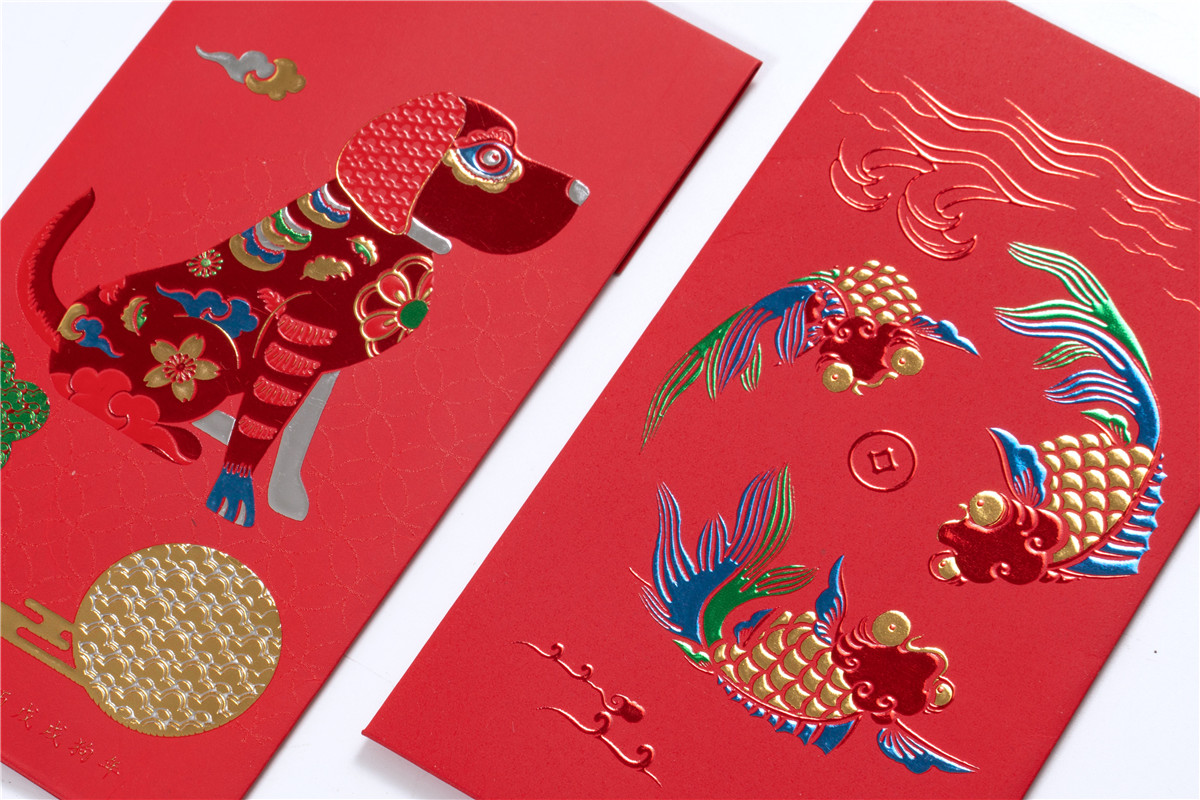
Digital foil stamping is transforming modern packaging production, especially for short-run packaging and customized luxury projects.
Compared with traditional tooling methods, digital foil technologies allow faster prototyping and reduced setup times. This makes them suitable for personalized gift boxes, seasonal packaging, and small-batch luxury cosmetic packaging.
Variable data printing is another important trend. Brands can customize packaging with unique serial numbers, names, or promotional graphics while maintaining premium foil effects.
Customization trends continue to drive demand for digital foil solutions because modern consumers increasingly expect personalized packaging experiences.
How to Choose the Right Foil Stamping Solution for Your Packaging Project?

The right foil stamping solution depends on both industry requirements and production goals.
For cosmetics packaging, brands often prioritize premium appearance and reflective visual effects. Hot foil stamping packaging is commonly selected for luxury cosmetic packaging applications.
For wine packaging, durability and elegant presentation are important considerations. Embossed metallic foil logos are widely used in premium wine boxes.
Electronics packaging may require anti-counterfeit functionality and clean modern finishes. Holographic foil packaging can help improve both product security and shelf appeal.
Luxury gift boxes usually focus on tactile finish, brand recognition, and visual exclusivity.
When selecting foil application methods, customized services we Dragon Foil can offer you:
- Production speed
- Budget control
- Material compatibility
- Desired metallic effect
- Anti-counterfeit requirements
- Packaging durability
Working with experienced packaging factory like Dragon Foil can significantly reduce production risks and improve overall packaging consistency.
FAQs About Foil Stamping Packaging:
Q1: What is the difference between hot foil and cold foil packaging?
A: Hot foil uses heat and pressure for foil transfer, while cold foil packaging uses adhesive and UV curing. Hot foil generally provides stronger metallic effects, while cold foil supports faster production speeds.
Q2: Is holographic foil suitable for cosmetic packaging?
A: Yes. Holographic foil packaging is widely used in luxury cosmetic packaging because it creates premium visual effects and improves shelf visibility.
Q3: Which packaging materials work best for foil stamping?
A: Coated paper, rigid boxes, and certain laminated surfaces typically provide stable foil stamping results.
Q4: Does foil stamping increase packaging costs?
A: Foil stamping can increase production costs compared with standard printing, but it often improves perceived product value and premium branding performance.
Q5: How durable is foil stamping on paper packaging?
A: High-quality foil stamping packaging is generally durable and resistant to scratching when proper materials and production settings are used.