
Flexo Cold Foil Guide to Overprintability, Cost & Supplier Selection
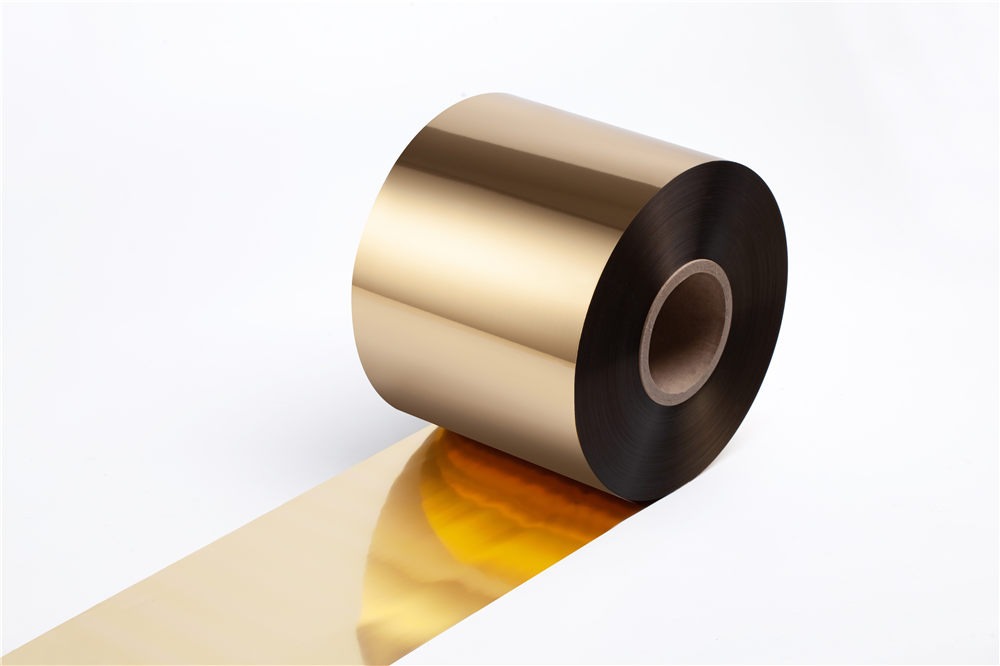
In today’s competitive packaging market, visual impact and production efficiency are equally important. Technologies like Flexo Cold Foil printing are rapidly replacing traditional hot stamping in applications such as pressure-sensitive labels, shrink sleeves, and in-mold labels (IML).
Compared with conventional methods, Flexo Cold Foil offers inline production, faster turnaround, and improved design flexibility. At the same time, brand owners are demanding better metallic effects without increasing costs.
As a result, printers and converters are increasingly focused on two critical factors: Overprintability and cost efficiency—along with selecting the right supplier who can consistently deliver both.
What is Flexo Cold Foil?
Flexo Cold Foil is a printing process where a metallic foil is transferred onto a substrate using a UV-curable adhesive during the flexographic printing process. Unlike hot foil stamping, it does not require heat or metal dies, making it suitable for high-speed inline production.
This technology is compatible with a wide range of substrates, including paper, film, and plastic. It is widely used in label and flexible packaging industries where both aesthetics and efficiency matter.
Applications of Flexo Cold Foil in Packaging
Pressure-Sensitive Labels
Flexo Cold Foil is commonly used in self-adhesive labels for beverages, cosmetics, and household products. It enhances shelf appeal while maintaining high printing speeds.
Shrink Sleeve Labels
In shrink sleeves, especially full-body designs, cold foil enables seamless metallic decoration. Specialized solutions such as double-sided foils can improve performance during shrinkage.
IML (In-Mold Labels)
For injection-molded packaging, cold foil provides durable metallic finishes that can withstand molding conditions while maintaining adhesion.
Flexible Packaging
In flexible packaging, cold foil is used for pouches and wraps, offering a premium look without significantly increasing production complexity.
Why is Overprintability Matters For Flexo Cold Foil?
Overprintability refers to the ability to print inks over the foil surface with good adhesion, clarity, and durability. In Flexo Cold Foil printing, this is one of the most critical performance indicators.
Poor overprintability can lead to issues such as ink peeling, low color density, or inconsistent print quality. For converters, this directly affects production efficiency and product quality.
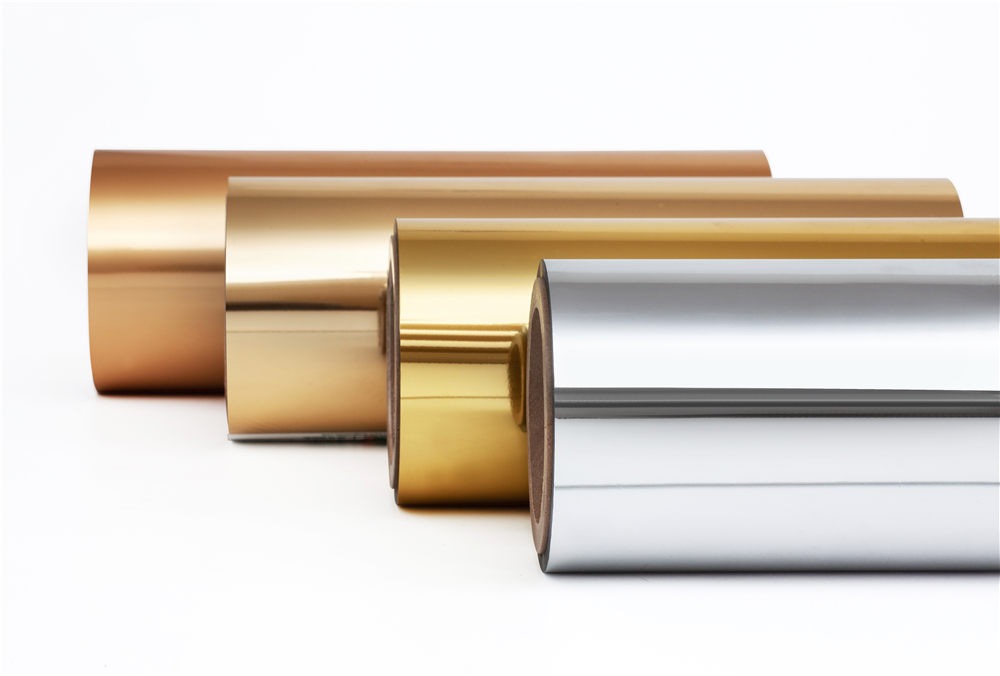
Key Factors Affecting Overprintability
- Ink Compatibility (UV / Water-Based)
Different inks interact differently with foil surfaces. UV inks generally offer better adhesion, but proper matching is essential. - Adhesive Performance
The quality of the adhesive layer determines how well the foil bonds to the substrate and how it behaves during overprinting. - Substrate Surface Tension
Materials with low surface energy may reduce adhesion performance, affecting both foil transfer and ink acceptance. - Curing System
Proper UV curing ensures that the adhesive and inks fully set, improving durability and print quality.
Common Problems & Solutions
- Poor Ink Adhesion
Cause: Incompatible ink or insufficient curing
Solution: Use optimized UV inks and ensure proper curing intensity - Foil Peeling
Cause: Weak adhesive bonding or unsuitable substrate
Solution: Improve adhesive formulation and test substrate compatibility before production
Cold Foil vs Hot Foil Stamping
When choosing between cold foil and hot foil, it’s important to consider both production efficiency and application requirements.
Cold foil is ideal for high-speed inline processes and complex designs, while hot foil offers deeper embossing effects and is often used for premium rigid packaging.
For most label and flexible packaging applications, Flexo Cold Foil printing provides a better balance of speed, cost, and visual performance.
How to Improve Cost Efficiency?
Cost efficiency in cold foil printing is not just about material price—it involves the entire production process.
Key ways to improve cost efficiency include:
- Reducing setup time with inline processing
- Minimizing waste through stable foil transfer
- Increasing printing speed without sacrificing quality
- Choosing suppliers with consistent product performance
Cold Foil vs Hot Foil Cost Comparison
|
Factor |
Cold Foil |
Hot Foil |
|
Setup Cost |
Low |
High |
|
Production Speed |
High (inline) |
Medium |
|
Waste Level |
Lower |
Higher |
|
Tooling Cost |
None |
Require dies |
This comparison shows why more converters are shifting toward Flexo Cold Foil for large-scale production.
How to Choose a Reliable Flexo Cold Foil Supplier?
Selecting the right supplier is essential for achieving consistent quality and long-term cost savings.
Production Capacity
A supplier with large-scale production can ensure stable supply and competitive pricing.
R&D Capability
Strong research and development support helps optimize performance for different applications and substrates.
Client Validation
Working with globally recognized brands and converters indicates proven reliability.
Quality Control
A strict quality control system ensures consistent performance in real production environments.
When evaluating suppliers, it is important to look beyond price and focus on overall value, including technical support and product consistency.
FAQs About Flexo Cold Foil
Q1: What is the difference between cold foil and hot foil?
A: Cold foil uses UV adhesive and inline processing, while hot foil requires heat and dies.
Q2: Is Flexo Cold Foil suitable for shrink sleeves?
A: Yes, especially with specialized foils designed for shrink applications.
Q3: Why is overprintability important?
A: It ensures that inks adhere well to the foil surface, maintaining print quality and durability.
Q4: Can water-based inks be used with cold foil?
A: Yes, but compatibility testing is recommended to ensure proper adhesion.
Q5: How can I improve cold foil performance?
A: Optimize ink selection, curing conditions, and substrate compatibility.
Conclusion
Flexo Cold Foil has become a key technology in modern packaging due to its ability to combine visual impact with production efficiency. However, achieving the best results depends on optimizing Overprintability, controlling costs, and making the right Cost & Supplier Selection decisions.
If you are looking to improve your Flexo Cold Foil printing performance, consider testing different materials and working with experienced suppliers who can provide technical support and consistent quality.
Contact us today to request samples or technical data sheets and discover how to enhance your packaging solutions.